
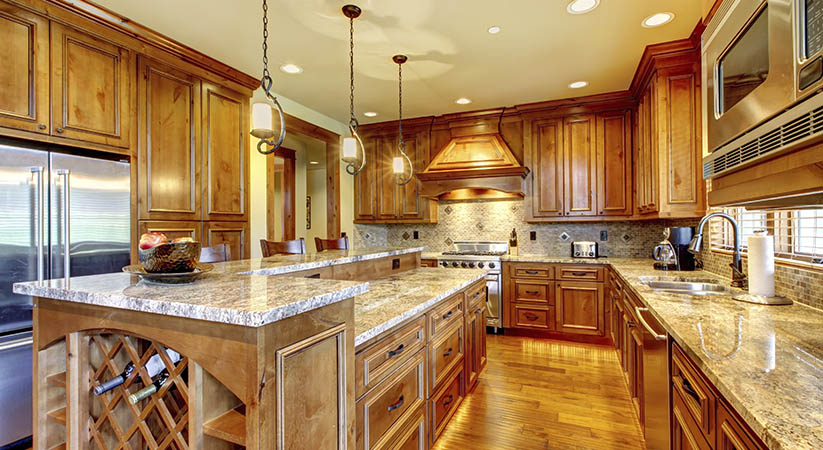
Choosing between natural stone and composite countertops represents one of the most significant decisions homeowners face during kitchen renovations, with each option offering distinct advantages and considerations that impact both aesthetics and functionality. The selection process involves evaluating factors including durability, maintenance requirements, cost, and design preferences that align with your lifestyle and long-term goals for your kitchen space. Modern quartz kitchen countertops have revolutionized the composite market by combining natural quartz crystals with polymer resins to create surfaces that rival traditional stone options in both appearance and performance. Understanding the fundamental differences between these material categories helps homeowners make informed decisions that balance practical requirements with aesthetic preferences while considering budget constraints and installation timelines.
Understanding natural stone options
Natural stone countertops encompass several materials including granite, marble, quartzite, and soapstone, each offering unique characteristics that appeal to different design sensibilities and functional requirements. Granite remains the most popular natural stone choice due to its exceptional hardness, heat resistance, and wide variety of colors and patterns that occur naturally during geological formation processes. Marble provides unmatched elegance and beauty but requires more careful maintenance due to its susceptibility to etching from acidic substances like lemon juice or vinegar that can damage the surface permanently.
Quartzite combines the beauty of marble with durability approaching granite levels, though it typically costs more than other natural stone options due to its rarity and processing requirements. Soapstone offers a unique matte finish and natural antibacterial properties but requires regular oiling to maintain its appearance and prevent staining. Each natural stone type brings geological history and unique characteristics that cannot be replicated artificially, providing one-of-a-kind surfaces that add genuine authenticity to kitchen designs.
Composite countertop materials
Engineered quartz represents the most popular composite option, combining 90-95% natural quartz crystals with polymer resins and pigments to create consistent patterns and colors that maintain uniformity across large installations. This manufacturing process allows for precise color control and pattern consistency that natural stone cannot match, while maintaining much of the durability and beauty associated with natural materials. The non-porous surface eliminates the need for periodic sealing required by most natural stones, providing maintenance advantages for busy households.
Solid surface materials like Corian offer seamless installation capabilities and repairable surfaces but generally lack the durability and heat resistance of both natural stone and engineered quartz options. Recycled glass composites provide environmentally conscious alternatives that incorporate post-consumer materials while offering unique aesthetic possibilities not available in traditional materials. Each composite option undergoes controlled manufacturing processes that ensure consistent quality and performance characteristics that can be precisely predicted and warranted by manufacturers for extended periods.
Durability and maintenance comparison
Natural stone durability varies significantly between different materials, with granite offering exceptional resistance to scratching, heat, and general wear while marble requires more careful handling to prevent damage from acids and heavy impacts. Most natural stones require periodic sealing every one to three years to maintain stain resistance and prevent bacteria growth in porous surfaces. The maintenance requirements can vary based on usage patterns, stone type, and environmental factors that affect how quickly protective sealers break down over time.
Engineered quartz provides superior stain resistance and eliminates sealing requirements while maintaining excellent scratch and heat resistance for normal kitchen use. However, excessive heat from hot cookware can potentially damage the polymer resins used in composite construction, requiring the use of trivets and hot pads during cooking activities. Both material categories offer excellent longevity when properly maintained, though natural stones may develop patina and character over time that many homeowners find appealing rather than problematic.
Cost considerations
Initial material costs vary widely within both natural stone and composite categories, with basic granite countertops Rockville typically costing less than premium engineered quartz options while exotic natural stones command significantly higher prices than standard composite materials. Installation complexity affects total project costs, with natural stone often requiring additional structural support due to weight considerations and more specialized fabrication techniques. Transportation costs for heavy natural stone slabs can add substantial expense, particularly for remote locations or multi-story installations that require special equipment.
Long-term cost considerations include maintenance requirements, with natural stone potentially requiring periodic professional restoration or resealing services that add to lifetime ownership costs. Composite materials typically maintain their appearance longer without professional intervention, though damage repair can be more complex and expensive when problems occur. Resale value considerations favor both material types over laminate or tile alternatives, though market preferences vary by region and price point of the home being improved or updated.
Installation requirements
Natural stone installation requires experienced professionals who understand proper support requirements, seam placement, and field modifications necessary to accommodate irregular surfaces and achieve proper fit and finish. The weight of natural stone necessitates adequate cabinet reinforcement and may require structural modifications to ensure long-term support without sagging or damage. Fabrication typically occurs off-site with precise measurements, limiting the ability to make field adjustments during installation if measurement errors occur during the templating process.
Composite materials often offer more flexibility during installation, with some products allowing minor field modifications and repairs that natural stone cannot accommodate easily. The manufacturing consistency of engineered products reduces variation concerns and allows for more predictable installation timelines compared to natural stone that may have hidden flaws or irregularities discovered during fabrication. Professional installation remains essential for both material types to ensure proper support, sealing, and warranty coverage that protects your investment over time.
Design and aesthetic factors
Natural stone provides authentic geological patterns and color variations that create unique surfaces with character and depth that cannot be replicated through manufacturing processes. The random patterns and natural veining offer visual interest that many homeowners prefer over the more uniform appearance of most composite materials. However, this natural variation can make it challenging to achieve consistent appearance across large installations or when replacement pieces are needed years after initial installation.
Engineered quartz offers controlled patterns and colors that provide design consistency while still incorporating natural quartz crystals for visual texture and depth. The manufacturing process allows for innovative patterns and colors not available in natural stone, including solid colors and dramatic veining patterns that complement contemporary design trends. Both material categories offer extensive selection options that can accommodate virtually any design preference, from traditional natural patterns to bold contemporary statements.
Long-term value considerations
Both natural stone and composite countertops add significant value to homes compared to budget alternatives, though market preferences and regional trends affect actual returns on investment at resale time. Natural stone appeals to buyers seeking authentic materials and traditional luxury, while composite materials attract those prioritizing low maintenance and consistent performance characteristics. The longevity of both material types means that properly installed and maintained countertops can serve homeowners for decades without replacement needs.
Future repair and renovation considerations favor different materials depending on specific circumstances, with natural stone offering restoration possibilities that can refresh appearance without complete replacement. Composite materials may require complete replacement if significant damage occurs, though their consistent performance characteristics reduce the likelihood of major problems developing over normal use periods. Both options represent significant improvements over basic materials that enhance daily kitchen functionality while supporting long-term home value appreciation.
Conclusion
Selecting between natural stone and composite countertops ultimately depends on your specific priorities regarding maintenance requirements, design preferences, budget constraints, and long-term performance expectations for your kitchen investment. Both material categories offer excellent durability and aesthetic appeal when properly selected and installed, making either choice a sound investment in your home’s functionality and value. Working with experienced granite countertop installers Potomac and composite specialists ensures that whichever material you choose receives proper installation and finishing techniques that maximize performance and longevity while protecting your investment through appropriate warranties and ongoing support services that maintain your countertops’ beauty and functionality for years to come.